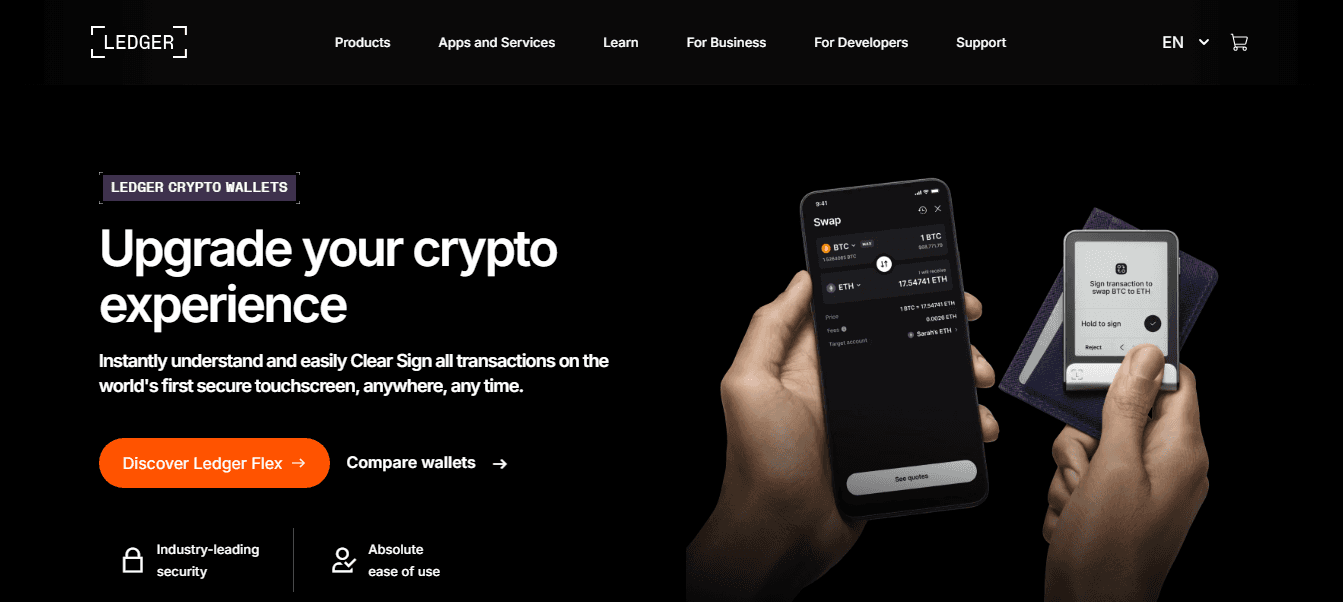
Ledger Login: A Complete Guide to Secure Cryptocurrency Access
Ledger Login is the secure authentication process used to access and manage cryptocurrency assets stored in Ledger hardware wallets. Unlike traditional online login methods that rely on usernames, passwords, or centralized servers, Ledger Login uses hardware-based verification to ensure private keys remain protected. This method provides users with full control over their digital assets while minimizing the risk of hacking, phishing, or unauthorized access.
As cryptocurrency adoption grows, understanding secure access methods becomes critical. Ledger Login not only enhances security but also supports the principle of self-custody, allowing users to take full responsibility for their funds.
What is Ledger Login?
Ledger Login is the process that allows users to access their cryptocurrency accounts using a Ledger hardware wallet. It does not require an email, username, or password. Instead, login is granted through the physical device, which stores the user’s private keys in a secure, offline environment.
When a user connects their Ledger device to a computer or mobile device, they unlock the wallet using a personal identification number (PIN) entered directly on the device. Once authenticated, the device communicates securely with the Ledger companion software, allowing users to view account balances, manage assets, and authorize transactions.
Because the private keys never leave the hardware wallet, Ledger Login ensures that assets are kept safe from online attacks, even if the computer or mobile device is compromised.
Purpose of Ledger Login
The main purpose of Ledger Login is to provide a secure and reliable way to access cryptocurrency accounts. By removing traditional credentials and using hardware-based authentication, Ledger Login drastically reduces the risk of unauthorized access.
Ledger Login also reinforces the concept of self-custody. Users retain full control over their assets, and no third-party platform can intervene or recover the account on their behalf. This empowers users to manage their finances independently while ensuring the highest level of security.
How Ledger Login Works
Ledger Login relies on a combination of hardware authentication and cryptographic security. The process begins when a user connects their Ledger device to a computer or mobile device. To unlock the wallet, the user enters their PIN directly on the device.
Once unlocked, the hardware wallet communicates with the companion software to display account information. Users can view balances, manage accounts, and prepare transactions. Importantly, all transaction approvals and sensitive operations must be confirmed on the device itself. This ensures that even if the connected computer is compromised, private keys are never exposed.
At no point are private keys stored on the computer or mobile device, maintaining complete isolation from online threats.
Hardware-Based Authentication
A key feature of Ledger Login is hardware-based authentication. Unlike conventional login systems that rely on passwords, hardware authentication requires physical possession of the Ledger device and knowledge of the correct PIN.
This two-factor approach makes it extremely difficult for attackers to gain access. Even if a computer is infected with malware or a user encounters a phishing attempt, unauthorized access to the wallet is nearly impossible without the physical device. Hardware-based authentication adds an additional layer of protection that software-only wallets cannot match.
PIN Protection
During initial setup, Ledger devices require users to create a PIN. This PIN serves as the first line of defense against unauthorized access. It must be entered correctly each time the device is used.
Ledger devices are designed to protect against brute-force attacks. If the PIN is entered incorrectly multiple times, the device will wipe itself completely, preventing any unauthorized party from attempting to guess the code.
Users can change their PIN at any time to enhance security, and it is recommended to select a combination that is both secure and memorable.
Optional Passphrase for Enhanced Security
Ledger Login supports the use of an optional passphrase to provide an additional layer of protection. When enabled, a passphrase creates hidden wallets that are only accessible with the correct phrase.
This feature is particularly useful for advanced users who want to protect certain assets or add an extra security layer to their accounts. Even if someone has the recovery phrase, the passphrase-protected wallets remain inaccessible without the correct passphrase.
While passphrases significantly improve security, losing them can result in permanent loss of access. Users must store them safely and offline.
Privacy and Data Protection
Ledger Login emphasizes privacy. Users do not need to provide personal information such as email addresses, names, or identification documents to access their wallets.
All communication between the Ledger device and companion software is encrypted. Private keys never leave the device, which prevents sensitive data from being exposed to online threats or third-party servers.
This approach ensures that users maintain complete control over their financial information, aligning with the decentralized principles of cryptocurrency.
Transaction Verification
Logging in via Ledger Login does not automatically authorize transactions. Every transaction must be reviewed and confirmed directly on the hardware device.
Users can verify critical details such as recipient address, transaction amount, and network fees on the device screen before confirming. This verification process protects against address manipulation attacks and ensures accuracy in every transaction.
Ledger Login’s transaction confirmation process ensures that assets cannot be moved without explicit user approval.
Recovery Phrase and Backup
The recovery phrase generated during the device setup is the ultimate backup for Ledger Login. It allows users to restore access to their accounts if the device is lost, damaged, or reset.
The recovery phrase must be stored offline and in a secure location. Anyone with access to it can recreate the wallet and bypass the Ledger Login security entirely.
Proper management of the recovery phrase is crucial for maintaining account security. Users should never share it or store it digitally.
Common Ledger Login Mistakes to Avoid
While Ledger Login is highly secure, user error can compromise safety. Common mistakes include:
Entering the PIN on the computer instead of the device
Approving transactions without careful verification
Storing the recovery phrase digitally or in an insecure location
Sharing passphrases or PIN codes with others
Users should always verify information on the device screen, store recovery phrases offline, and follow best practices to maintain a secure Ledger Login environment.
Benefits of Ledger Login
Ledger Login offers numerous advantages:
No passwords or usernames stored online
Protection against phishing, malware, and keyloggers
Hardware-based two-factor authentication
Full ownership and control of private keys
Enhanced privacy and anonymity
These benefits make Ledger Login one of the most secure access methods available for cryptocurrency management.
Who Should Use Ledger Login
Ledger Login is suitable for anyone who values security, privacy, and full control over their cryptocurrency. It is particularly important for individuals holding significant crypto assets or those who prioritize self-custody.
Beginners also benefit from Ledger Login due to the guided authentication process and physical confirmation steps that minimize mistakes and enhance security awareness.
Ledger Login and Self-Custody
Ledger Login is central to the concept of self-custody. It removes reliance on centralized platforms and ensures that users alone control access to their assets.
By combining hardware-level security with user-controlled authentication, Ledger Login empowers individuals to manage their assets independently and securely. It reflects the decentralized ethos of cryptocurrencies, providing security without sacrificing autonomy.
Conclusion
Ledger Login is a secure, privacy-focused authentication method designed for cryptocurrency management. By eliminating traditional passwords and relying on hardware-based verification, it protects users against hacking, phishing, and unauthorized access.
With features such as PIN protection, optional passphrases, transaction confirmation, and recovery phrase management, Ledger Login provides a robust and reliable gateway to digital assets. For anyone committed to secure self-custody and complete control over their cryptocurrency, Ledger Login represents a trusted and effective solution.